
20 February, 2026

80 Tech Solutions
For many small to medium businesses in New Zealand, growth is often constrained not by demand, but by systems that no longer keep pace. Off-the-shelf software can work well in the early stages, but as businesses evolve, standard tools often struggle to support unique processes, reporting needs, or operational complexity. Custom software, when approached pragmatically, can play a significant role in removing these constraints and enabling sustainable growth.
When Off-the-Shelf Tools Stop Scaling
Most SMEs begin with readily available software — accounting platforms, CRMs, spreadsheets, or industry-specific tools.
Over time, these systems can become fragmented, forcing teams to rely on manual workarounds, duplicated data entry,
and disconnected reporting.
As transaction volumes increase and compliance requirements grow, these inefficiencies
can slow decision-making, increase operational risk, and limit visibility across the business. Custom software is
not about replacing everything — it’s about addressing the specific gaps that hinder growth.
Improving Operational Efficiency
One of the most immediate benefits of custom software is improved efficiency. By designing systems around how a
business actually operates, custom solutions can automate repetitive tasks, streamline workflows, and reduce
reliance on manual processes.
For New Zealand SMEs, this often means freeing up staff time, improving accuracy,
and enabling teams to focus on higher-value work rather than administration.
Supporting Better Decision-Making
As businesses grow, access to timely and accurate information becomes critical. Custom software can consolidate
data from multiple sources into a single view, providing clearer insights into performance, trends, and risks.
Rather than relying on static reports or spreadsheets, decision-makers can access dashboards and tools designed
specifically around their operational and reporting needs.
Adapting to Local Compliance and Business Requirements
New Zealand businesses operate within a regulatory environment that includes tax, employment, privacy, and
industry-specific obligations. Custom software can be designed to support these requirements directly, reducing
the risk of non-compliance and improving confidence in reporting.
This is particularly valuable for businesses
operating in regulated or fast-changing sectors, where standard tools may not adapt quickly enough.
Scaling Without Adding Complexity
Growth often brings complexity — more customers, more transactions, more systems. Custom software helps manage
this complexity by providing a structured foundation that can evolve alongside the business.
Well-designed
systems are scalable by nature, allowing new features, integrations, or workflows to be added over time without
disrupting day-to-day operations.
A Practical Approach to Custom Development
Custom software does not need to be large or expensive to be effective. Many successful projects start small,
focusing on a single process or pain point, and expand incrementally as value is demonstrated .
For SMEs in New
Zealand, the key is working with a development partner who understands local business realities, budgets, and
long-term goals — not just the technology.
Looking Ahead
Custom software can be a powerful growth enabler when aligned with clear business objectives. By improving
efficiency, supporting better decision-making, and reducing operational friction, tailored solutions help New
Zealand SMEs build systems that work for them — not against them.
As digital expectations continue to rise,
businesses that invest thoughtfully in custom technology are better positioned to scale with confidence and
resilience.
Custom software works best when it’s designed around your business — not the other way around.
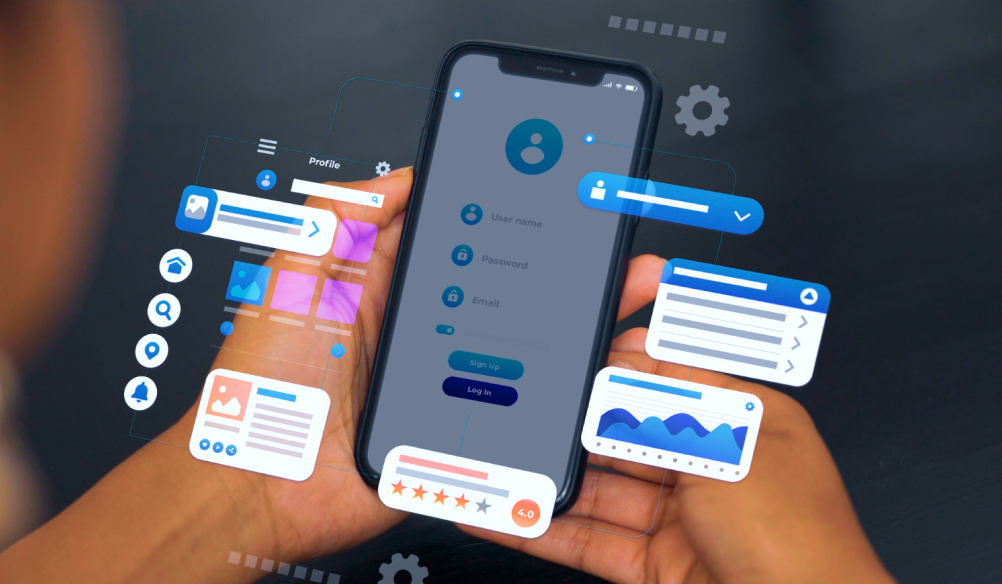
The Future of UI/UX: Trends Shaping Digital Experiences
20 February, 2026
80 Tech Solutions

AI & Automation: Transforming the Software Industry for Growing Businesses
20 February, 2026
80 Tech Solutions

Choosing the Right Technology Partner: What Growing Businesses Should Look For
20 February, 2026
80 Tech Solutions

Prefer to talk? Call us on
or fill out the form and we’ll be in touch shortly.
Let’s Build Something Great Request a free, no-obligation quote

Proudly based in New Zealand, working with clients across New Zealand and Australia.
 Phone: +64 (09) 9711162
 Email: