_1739426692_1740575371.png)


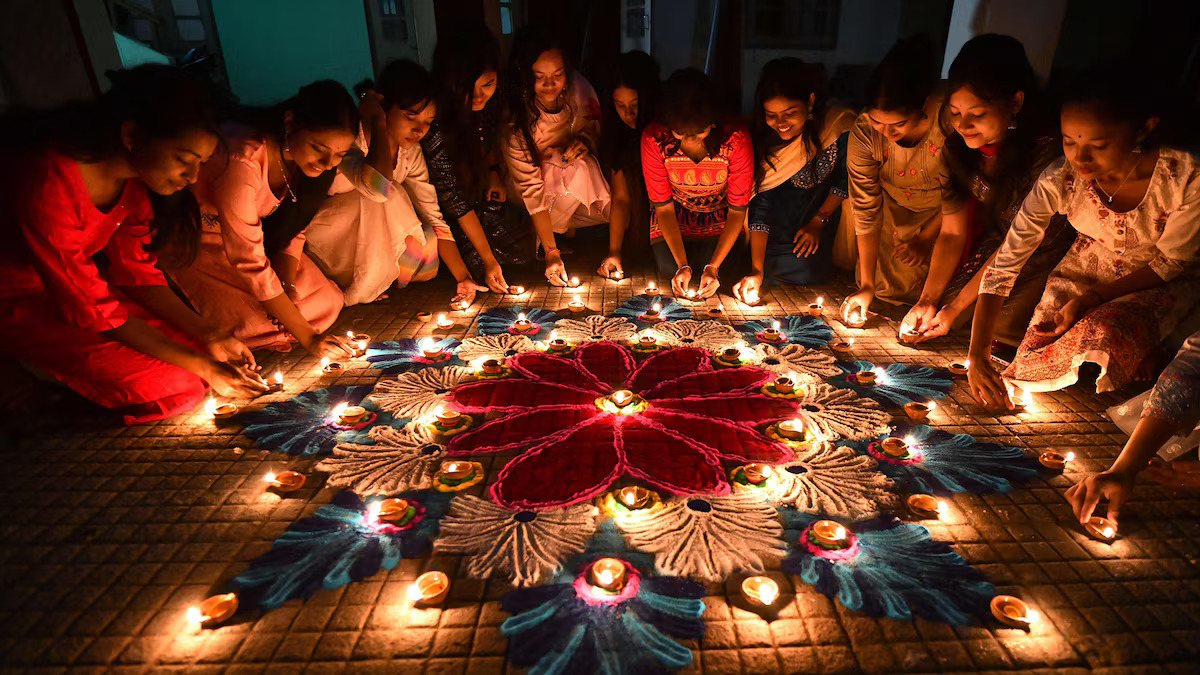
Festivals and fairs in India are vibrant expressions of its cultural and religious diversity, celebrated with great enthusiasm across regions.Festivals and fairs in India are vibrant expressions of its cultural and religious diversity, celebrated with great enthusiasm across regions.Festivals and fairs in India are vibrant expressions of its cultural and religious diversity, celebrated with great enthusiasm across regions.Festivals and fairs in India are vibrant expressions of its cultural and religious diversity, celebrated with great enthusiasm across regions.Festivals and fairs in India are vibrant expressions of its cultural and religious diversity, celebrated with great enthusiasm across regions.
Holi, known as the "Festival of Colors," is one of the most joyful and vibrant festivals celebrated in India and by Indian communities around the world. Rooted in Hindu tradition, Holi marks the arrival of spring and the triumph of good over evil. It usually falls in March, on the full moon day of the Hindu month of Phalguna. One of the most iconic features of Holi is the playful throwing of colored powders and water, where people of all ages joyfully smear each other with bright hues, dance to music, and celebrate in the streets. Holi is not just a religious celebration but also a cultural and social festival that brings people together in a spirit of unity, love, and fun.
The festival begins with Holika Dahan on the night before Holi, where bonfires are lit to symbolize the burning of evil. This ritual is based on the legend of Prahlad, a devoted follower of Lord Vishnu, who was saved from fire while the evil Holika, who tried to kill him, was destroyed. The next day is celebrated as Rangwali Holi, where people smear each other with colored powders, throw water balloons, and dance to music in the streets.
Holi is a time when social barriers dissolve. Friends, families, and even strangers come together, forgetting past grievances and renewing relationships. It is common to see people laughing, playing, and singing together regardless of age, caste, or status. Special sweets like gujiya, malpua, and drinks like thandai add to the festive flavor.
Beyond its playful surface, Holi carries deep cultural and spiritual meaning. It teaches the importance of forgiveness, harmony, and the victory of light over darkness. In many regions, Holi is also celebrated through folk songs, traditional dances, and rituals that reflect local customs.
In conclusion, Holi is a celebration of life, color, and community. It invites everyone to leave behind negativity and embrace joy, friendship, and new beginnings. With its rich traditions and universal appeal, Holi continues to be a beloved festival that spreads happiness wherever it is celebrated.
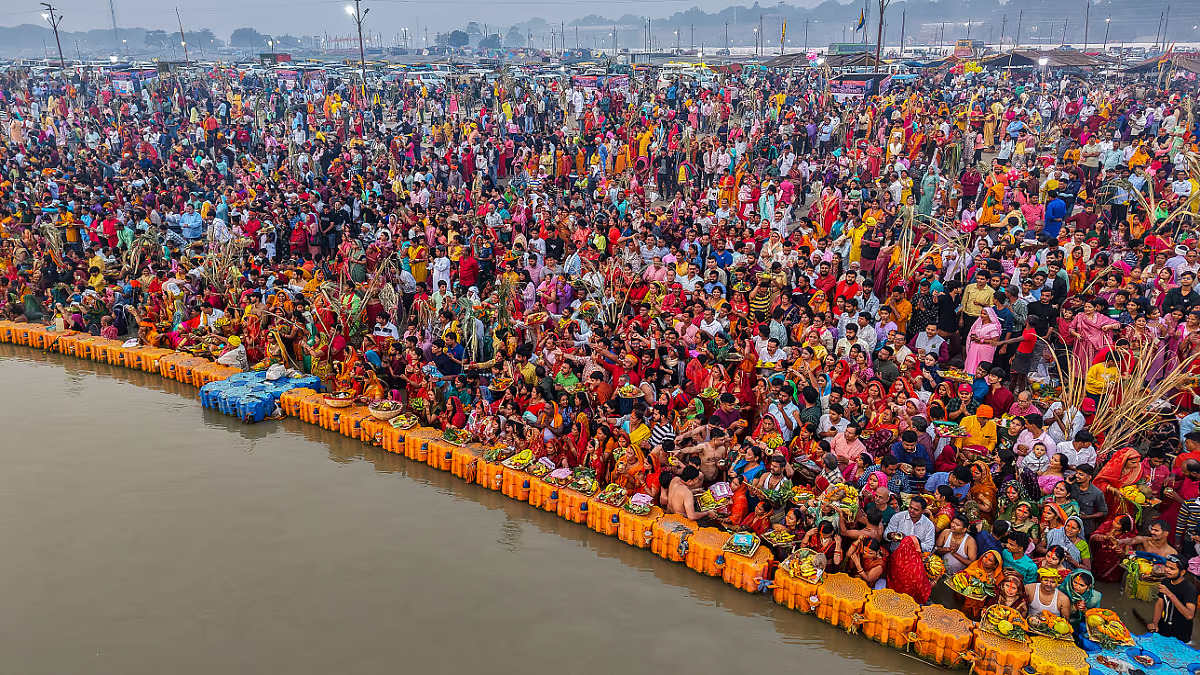
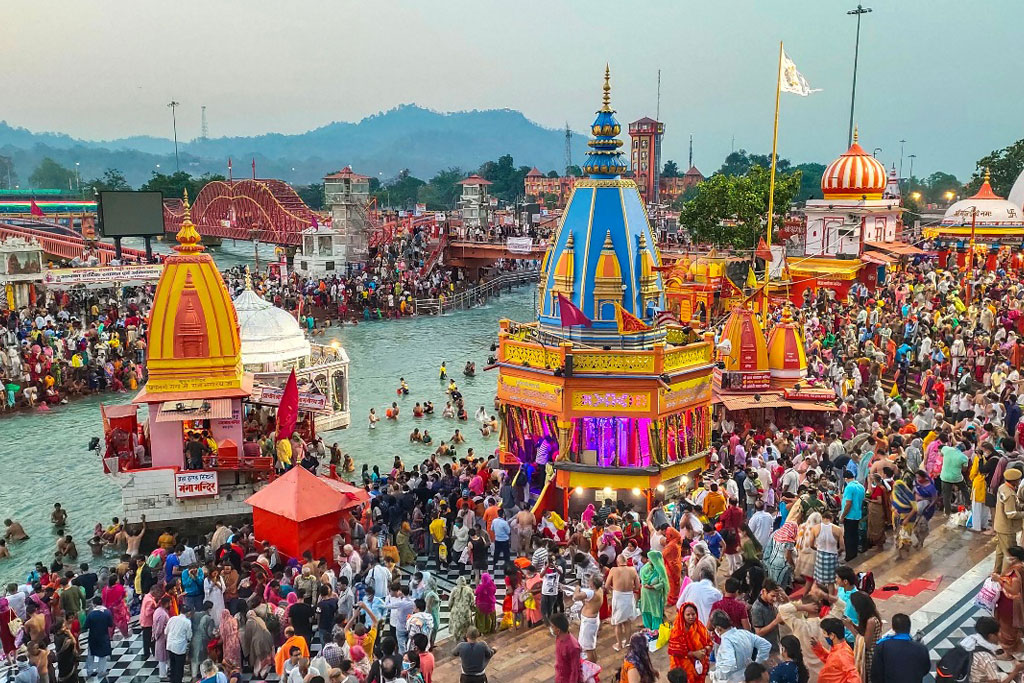
The **Maha Kumbh Mela** is one of the largest and most sacred religious gatherings in the world, deeply rooted in India’s spiritual and cultural heritage. Held once every 12 years at **Prayagraj (formerly Allahabad)** in Uttar Pradesh, this grand event attracts millions of devotees, saints, sadhus, and tourists from all parts of India and across the globe. The festival is celebrated at the confluence of three holy rivers—**the Ganga, Yamuna, and the mythical Saraswati**—a site considered immensely auspicious in Hindu tradition.
The origins of the Maha Kumbh are traced back to Hindu mythology. According to legend, during the churning of the ocean (Samudra Manthan) by the gods and demons, a few drops of the nectar of immortality (Amrit) fell at four places: **Prayagraj, Haridwar, Nashik, and Ujjain**. The Kumbh Mela rotates among these locations, but the **Maha Kumbh** is the most significant and is celebrated only in Prayagraj.
A key highlight of the Maha Kumbh is the **Shahi Snan**, or royal bath, where saints from various Akharas (religious sects) take a dip in the holy waters at an astrologically significant time. This act is believed to cleanse sins and pave the way to salvation. The air is filled with chants, devotional music, and the smell of incense, creating a spiritually charged atmosphere.
Besides the religious significance, the Maha Kumbh is also a massive cultural and social phenomenon. Temporary tent cities, complete with sanitation, medical facilities, and security, are erected to accommodate the enormous influx of pilgrims. The event showcases India's incredible ability to organize and manage a gathering of this scale, often considered the **largest peaceful gathering of humanity on Earth**.
In conclusion, the Maha Kumbh is more than just a religious event—it is a vibrant display of India’s spiritual devotion, cultural unity, and logistical prowess. It is a moment when faith transcends boundaries, and millions come together to celebrate the divine.